Why Your Carpet Smells Musty Before You See Mold
You walk into a room and notice a damp, earthy smell. The carpet looks clean. There is no visible discoloration, no fuzzy patches, nothing that obviously suggests mold. Yet the odor is unmistakable. This situation is more common than most people realize, and it often means mold is already present even if you cannot see it. Understanding why this happens can help you act before the problem gets worse.
How mold grows without being seen
Mold spores are everywhere. They float through the air indoors and outdoors, and they settle on surfaces constantly. On their own, spores do not cause problems. The trouble starts when spores land on a material that is damp enough and stays damp long enough for them to germinate. Carpet is a particularly good home for mold because it holds moisture in its fibers and in the padding underneath.
Visible mold growth requires a certain density of colonies. In the early stages, mold may be growing deep in the carpet pile, on the backing, or on the pad below. You cannot see it because it has not spread to the surface yet. But the metabolic processes of mold produce volatile organic compounds, or VOCs. These compounds are what you smell. The odor can travel through the carpet fibers and into the room air long before the mold becomes visible.
Moisture sources that hide underfoot
Several common situations create the damp conditions mold needs without obvious signs. A slow plumbing leak under a slab floor can wick moisture upward through the concrete and into the carpet. High humidity in a basement or a room with poor ventilation can cause enough condensation on the carpet surface to support mold growth. Spills that were not dried thoroughly, especially if they soaked through to the pad, can start the process. Even a pet accident that was cleaned up visibly but not dried deeply enough can leave enough moisture behind.
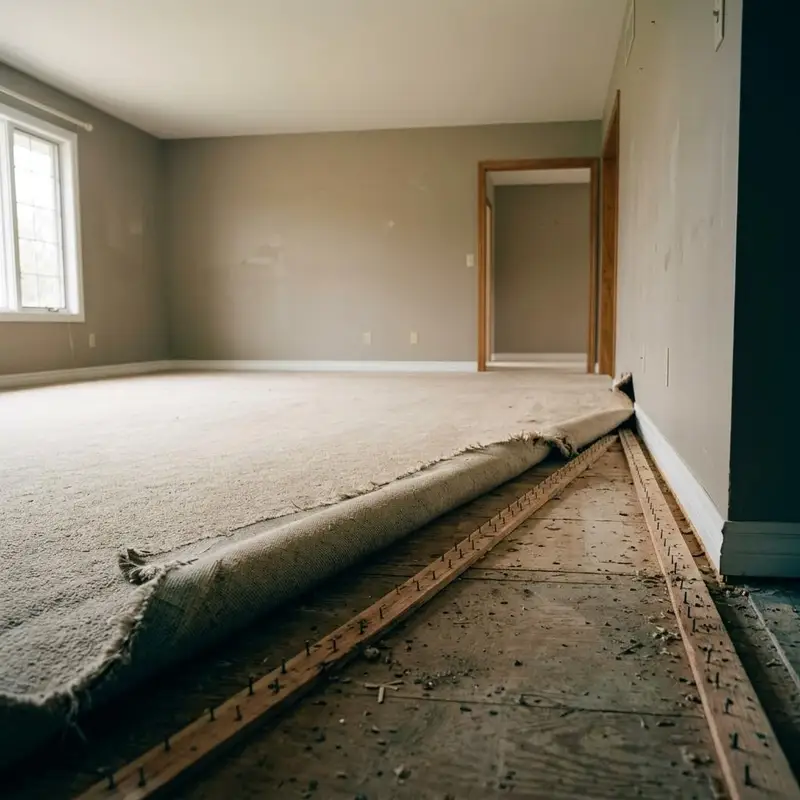
Another frequent cause is a change in the weather. In many climates, summer brings higher humidity. If your home has a crawl space or a basement that gets damp air, the carpet can absorb that moisture. The same is true if your air conditioning system is not sized correctly or if it runs intermittently, allowing indoor humidity to climb at night. Carpet acts like a sponge. It pulls moisture from the air and holds it close to the backing, where air movement is minimal. That combination is ideal for mold.
Why the smell matters for your health
The musty odor is not just unpleasant. It is a sign that mold is actively growing and releasing spores and byproducts into your indoor air. For some people, exposure to mold VOCs can cause headaches, irritated eyes, a stuffy nose, or a scratchy throat. For others, especially those with asthma or allergies, the effects can be more serious. Even if you do not feel symptoms right away, prolonged exposure to a moldy indoor environment is not healthy.
Because the smell often arrives before visible growth, it gives you a chance to address the problem early. Ignoring the odor means allowing the mold colony to expand. Over time, it will eventually become visible, and by then the contamination may have spread to the carpet pad, the subfloor, and possibly the wall base. That makes cleanup more involved and more disruptive.
What to do when you smell mold but cannot see it
The first step is to confirm the source of the moisture. Check for plumbing leaks, look for signs of condensation, and examine areas near exterior walls or windows. A moisture meter designed for flooring can help. These tools measure the moisture content of the carpet and pad without damaging them. If the reading is above 16 percent in a carpet or above 12 percent in a wood subfloor, conditions are favorable for mold.
Next, improve ventilation and reduce humidity. Use exhaust fans in bathrooms and kitchens. Run a dehumidifier in basements and other damp rooms. Keep the indoor relative humidity below 50 percent. This alone can stop mold from growing further and may allow the existing colony to dry out and die. However, if the mold has already established itself in the padding or backing, simply drying the air may not be enough. The dead mold material can still cause odors and health effects.
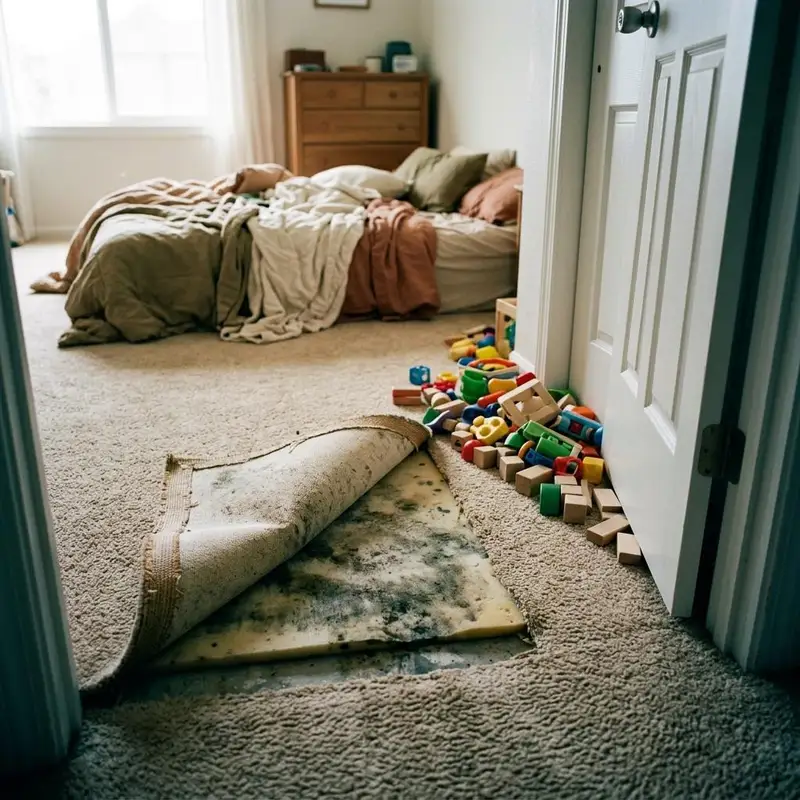
If drying and ventilation do not eliminate the smell, the carpet and pad likely need to be removed. Carpet cleaning alone, even with hot water extraction, often cannot reach the deep layers where mold is growing. Once mold gets into the pad, the pad acts as a reservoir that keeps the carpet damp. Replacing the pad and sometimes the carpet is the reliable way to remove the contamination. At that point, the subfloor must be inspected and dried as well. This is where professional help becomes necessary.
Professional guidance for persistent problems
When the musty smell returns after cleaning, or when you suspect the moisture problem is structural, it makes sense to consult a service that specializes in identifying moisture issues and removing contaminated materials. Companies like Carpet Mold Removal Services Pros understand the interplay between hidden moisture and carpet mold. They can assess the extent of the problem without guessing and can recommend the right steps for your situation.
A professional assessment typically involves moisture mapping, air quality testing, and a visual inspection of areas you might not think to check. The goal is to find every area where moisture is trapped and to remove any mold that has already started growing. After the contaminated carpet and pad are taken out, the structure beneath needs to be dried thoroughly. Only then can new flooring go down safely.
One useful resource for understanding what to expect is carpetmoldremovalservices.com. That site explains the process of identifying moisture problems, removing affected materials, and restoring indoor air quality. It gives a clear picture of the steps involved and the kind of expertise a good service provider brings. If you are dealing with a persistent musty smell, reading through that information can help you decide what to do next.
Preventing the problem from returning
Once the mold issue is resolved, keeping the carpet dry is the most important prevention strategy. Address any plumbing leaks immediately. Use doormats at exterior doors to trap moisture from shoes. Clean up spills right away and dry the area with a fan or a wet-dry vacuum. In high-humidity areas, consider replacing carpet with hard flooring that does not absorb moisture. If you keep carpet, choose low-pile styles that dry faster and are less likely to trap moisture deep in the fibers.
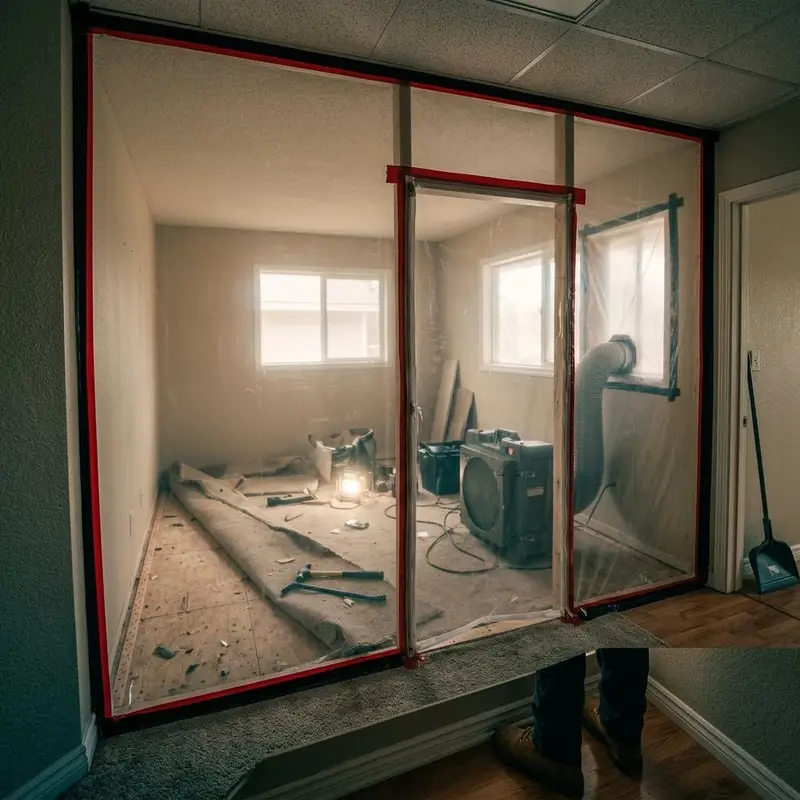
Regular vacuuming with a HEPA filter can also help by removing spores before they have a chance to germinate. But vacuuming alone cannot solve a moisture problem. The key is to keep the carpet dry. If you notice a musty smell, do not wait for visible mold to appear. Investigate and act. Early action saves money, saves your carpet, and protects your health.
Carpet Mold Removal Services Pros can help you identify hidden moisture and deal with mold before it becomes a bigger problem. Their work focuses on finding the source, removing contamination, and improving the air you breathe. A musty smell is not something to ignore. It is a signal that something is wrong, and it is almost always better to address it sooner rather than later.